September 25, 2026 Post by : Editorial Photography Tips
Reading the Valley Floor: How Water Shapes Evening Light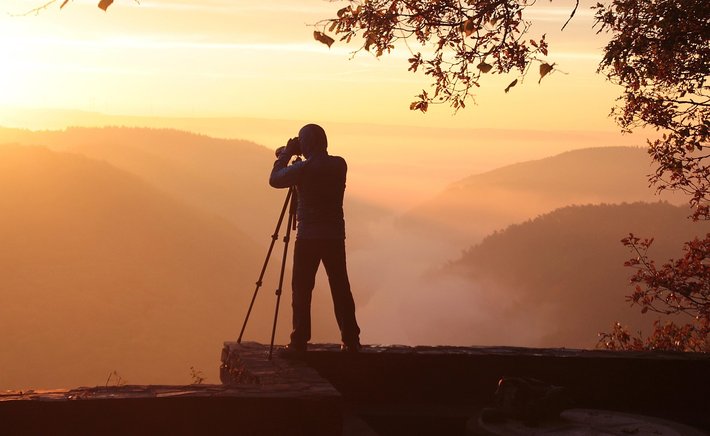
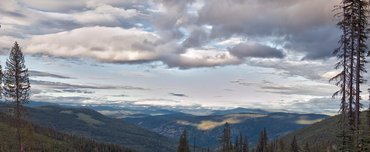
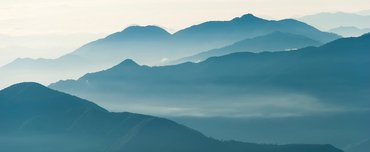
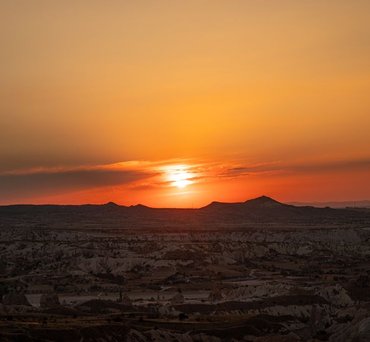
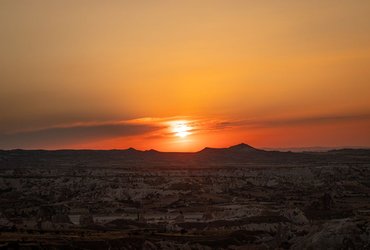
Valley sunsets are forgiving in mood and unforgiving in exposure. The range between a glowing sky and a shadowed valley floor can be enormous, and the light changes fast enough that fumbling with menus costs you the shot. The good news is that a handful of habits, repeated every evening, will carry you through almost any valley condition.
This isn't a settings dump. It's a sequence — what to do, in order, so that when the light peaks you're already ready.
Set Up Before the Light Gets Good
Arrive at least forty-five minutes before sunset. Use that time to frame your composition and lock in your base settings. Start with a moderate aperture — somewhere in the middle of your lens's range — which keeps both foreground and distant ridges reasonably sharp. Keep your ISO low for clean color. Put the camera on a tripod even if you think you don't need one; valley light gets dim faster than you expect, and you'll want the stability for the afterglow.
For metering, expose for the sky and let the valley floor go darker than your eye sees it. That contrast is part of the look. If the shadows bother you, a single graduated filter or a bracketed set of three frames will solve it later. Don't chase perfection on the back of the camera while the sky is doing its best work.
Focus manually on a mid-distance ridge rather than the horizon. Infinity focus often softens the most interesting part of a valley scene — the layered middle ground.
Shoot Through the Afterglow
Here's the discipline that separates good valley sunset photographers from everyone else: keep shooting after the sun is gone. The first ten minutes post-sunset often deliver the richest, most even color of the entire evening. Your exposures will get longer. Let them. Drop your shutter speed, keep the tripod steady, and use a remote release or a short timer to avoid shake.
Watch the color temperature shift from warm to cool and adjust as you go rather than locking in one white balance. The valley is changing; your settings should change with it.
Finally, review your images the next morning, not in the car. Evening excitement flatters bad frames. Daylight is honest. The shots that survive a night's sleep are the ones worth keeping — and the ones that teach you what to do differently on the next clear evening.

Author
22 feb,2025
This incident opened my eyes to the value of Insurance in general, so I decided to examine my personal and business insurance.
Comment (3)
The payments are made directly from one person to another without passing through a central bank or clearing house.
22 feb,2025
ReplyReading the Valley Floor: How Water Shapes Evening Light
23 feb,2025
ReplyThe Case for Watching the Same Valley Every Evening
23 feb,2025
Reply