September 10, 2026 Post by : Editorial Field Notes
Five Valley Sunset Spots Worth the Drive (And What Makes Each One Different)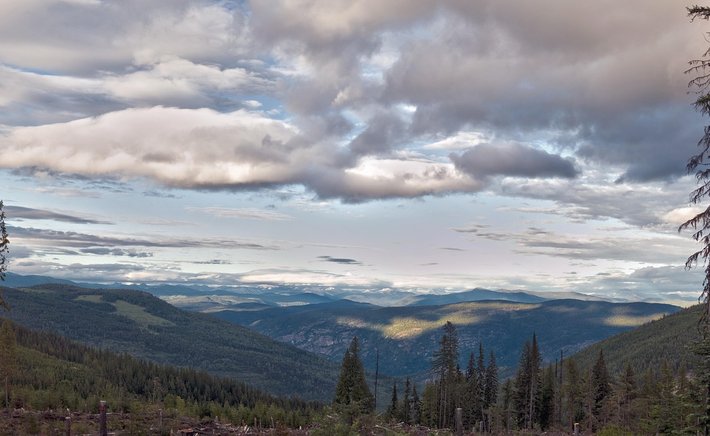
Photographers talk endlessly about light, but they rarely talk about sound. This is a mistake, especially in valleys, where the acoustics are as distinctive as the topography. A valley at midday is loud: wind, birds, distant machinery, the rustle of leaves. A valley at dusk is a different place entirely, and the transition from one to the other is one of the most useful cues you can learn to recognize.
The first shift happens about an hour before sunset. The wind usually drops, sometimes to nothing. Birds that have been calling all afternoon go quiet or switch to a different register — softer contact calls instead of full songs. If there is a creek nearby, you suddenly hear it clearly, because the competing noise has fallen away. This is the moment I start paying attention. The light is still flat, but the stage is being set.
The Insect Chorus and the Last Light
As the sun touches the ridge line, the insects take over. Crickets and katydids start their evening hum, and in some valleys, the sound is so pervasive that it becomes a kind of pressure. I have stood in meadows where the insect chorus was loud enough to feel like a physical presence. That sound is your signal that the afterglow is beginning. The light is about to turn warm and low, and you have maybe twenty minutes to work with.
What I love about this cue is that it is reliable across seasons and locations. The exact timing changes, but the sequence does not. Wind drops, birds quiet, insects rise, light turns. Once you internalize that sequence, you stop needing to check your watch or consult a sunset app. Your ears tell you where you are in the evening.
Listening as a Form of Attention
There is a deeper reason to pay attention to sound, and it has nothing to do with efficiency. Listening is a form of presence. When you tune in to the valley's evening soundscape, you are not just timing a photograph. You are participating in something. The insects do not care that you are there. The creek does not slow down for you. But by listening, you join the rhythm of the place instead of standing outside it.
I have had evenings where I never took a single photo, but I stayed until full dark just to hear the valley go quiet. Those evenings are not wasted. They are the reason I keep coming back. The light is beautiful, but the silence underneath it is what I remember.

Author
22 feb,2025
This incident opened my eyes to the value of Insurance in general, so I decided to examine my personal and business insurance.

Comment (3)
The payments are made directly from one person to another without passing through a central bank or clearing house.
22 feb,2025
ReplyReading the Valley Floor: How Water Shapes Evening Light
23 feb,2025
ReplyThe Case for Watching the Same Valley Every Evening
23 feb,2025
Reply