September 13, 2026 Post by : Editorial Evening Reflections
The Golden Hour Gospel: Why Valleys Glow Differently at Sunset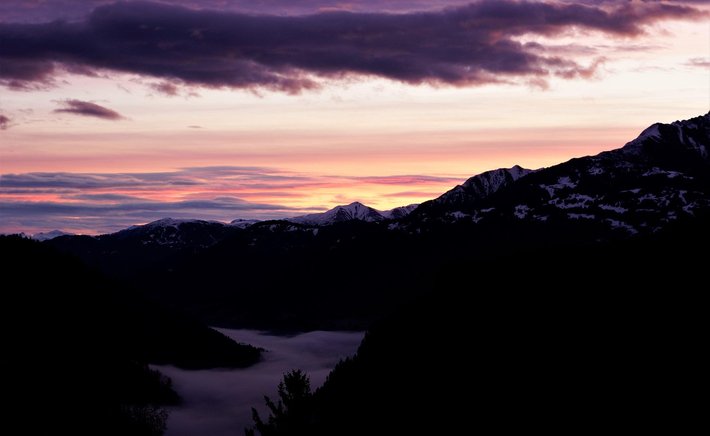
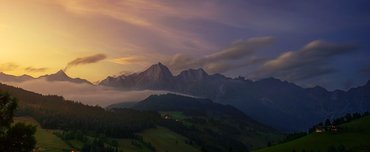
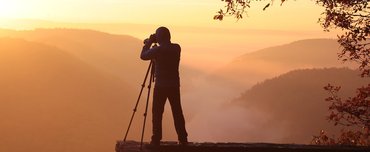
There is a certain kind of photographer who chases new locations the way some people chase new restaurants. Every weekend is a different trailhead, a different overlook, a different valley. I understand the impulse. Novelty is exciting, and a new landscape forces you to pay attention. But after years of doing both, I have come to believe that the opposite approach is more rewarding: pick one valley and watch it every evening you can.
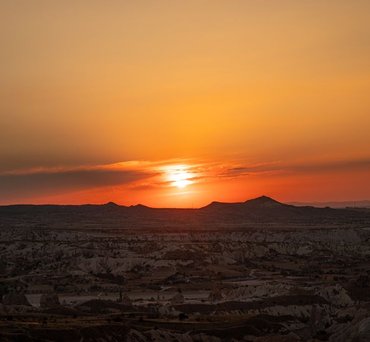
The first week is boring. The second week is frustrating. By the third week, something shifts. You start noticing how the light hits a particular bend in the creek at 7:15 in June and 6:40 in September. You learn which clouds produce a good afterglow and which ones just smother the horizon. You begin to recognize the specific shade of orange that means the show is about to start.
What Repetition Reveals
When you visit a valley once, you photograph what it looks like. When you visit it fifty times, you photograph what it is. The difference is not mystical. It is just familiarity. You stop wasting mental energy on orientation — where is the sun, where is the trail, where is the best vantage point — and start spending that energy on observation. You see the small things: a heron that returns to the same pool each evening, a patch of wildflowers that opens and closes with the light, the way the wind dies down just before sunset on calm days.
This kind of seeing cannot be rushed. It accumulates. And it changes the way you photograph, because you are no longer reacting to a scene. You are anticipating it.
The Discipline of Staying Put
There is also a personal benefit that has nothing to do with image quality. Watching the same valley every evening becomes a ritual, and rituals are grounding. The valley does not care whether you had a good day or a bad one. It performs the same slow transition regardless. That consistency is comforting in a way that is hard to articulate until you have experienced it.
I am not suggesting you never visit a new place. But if you are looking for a practice that will deepen both your photography and your relationship with the natural world, try committing to one valley for a season. Go as often as you can. Bring a camera some nights and leave it home on others. Let the valley become familiar. You will be surprised by how much there is to see in a place you thought you already knew.
Author
22 feb,2025
This incident opened my eyes to the value of Insurance in general, so I decided to examine my personal and business insurance.
Comment (3)
The payments are made directly from one person to another without passing through a central bank or clearing house.
22 feb,2025
ReplyCamera Settings for Valley Sunsets: A Practical Evening Field Guide
23 feb,2025
ReplyWhy Some Evenings Fail: Reading Weather, Haze, and Clouds for Better Valley Sunsets
23 feb,2025
Reply