September 19, 2026 Post by : Editorial Evening Reflections
When the Valley Goes Quiet: Sound as a Sunset Cue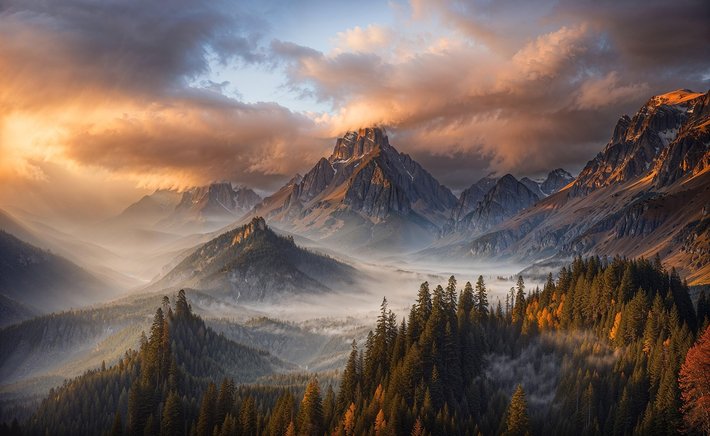
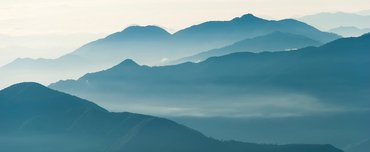
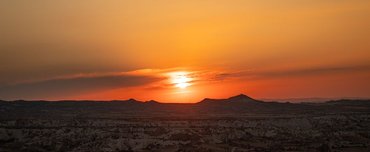
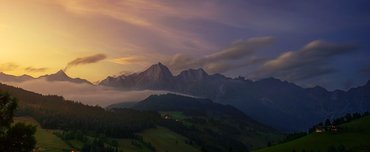
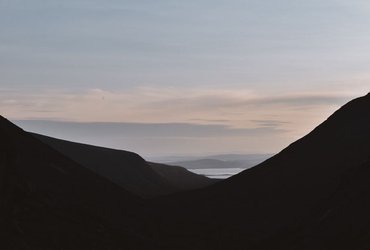
Most people pack up their cameras the moment the sun slips behind the ridge line. The show, they assume, is over. But anyone who has lingered on a valley overlook knows better. The real performance begins in the twenty minutes after sunset, when the light stops falling and starts pooling. Shadows stretch across the fields like fingers, and the valley floor takes on a warmth that seems to come from inside the ground rather than from the sky.
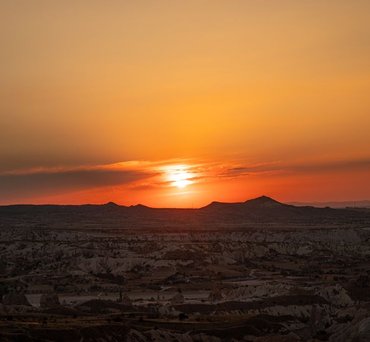
I have sat through hundreds of these transitions, and they never repeat themselves. Some evenings the valley turns amber. Others it goes the color of old rosewood, then slate, then a deep blue that almost reads as black. The speed of the change depends on cloud cover, season, and how much dust is hanging in the air. But the feeling is consistent: you are watching a landscape exhale.
Why the Afterglow Matters More Than the Sunset
The sunset itself is dramatic, but it is also brief and often overexposed in photographs. The afterglow is where the valley reveals its texture. Ridges that were flat silhouettes a moment ago start showing folds and gullies. Trees along a creek bed separate from the hillside behind them. A single farmhouse window might catch the last light and glow like a coal. These are the details that make a valley feel inhabited rather than merely scenic.
I have learned to resist the urge to leave early. The best habit I have built as a photographer is simply staying put. No packing the bag, no checking the phone, no walking back to the car. Just watching. The valley rewards patience in a way that few landscapes do, because the light here does not just change — it settles.
What the Valley Teaches About Endings
There is a lesson in the long shadow hour that has nothing to do with photography. We tend to treat endings as abrupt: the meeting is over, the day is done, the light is gone. But a valley at dusk shows that endings are gradual and layered. The sun sets, and then the light continues. The birds quiet down, and then the crickets start. The day does not stop; it hands off.
I think that is why so many people find evening valley walks soothing without being able to explain why. The landscape is modeling something we need to remember. Nothing ends all at once. There is always an afterglow, a second act, a softer version of what came before. The valley closes its eyes slowly, and in doing so, it invites us to do the same.
Author
22 feb,2025
This incident opened my eyes to the value of Insurance in general, so I decided to examine my personal and business insurance.
Comment (3)
The payments are made directly from one person to another without passing through a central bank or clearing house.
22 feb,2025
ReplyThe Golden Hour Gospel: Why Valleys Glow Differently at Sunset
23 feb,2025
ReplyFive Valley Sunset Spots Worth the Drive (And What Makes Each One Different)
23 feb,2025
Reply