September 7, 2026 Post by : Editorial Photography Field Notes
The Quiet Afterglow: What Valleys Teach Us About Letting Go of the Day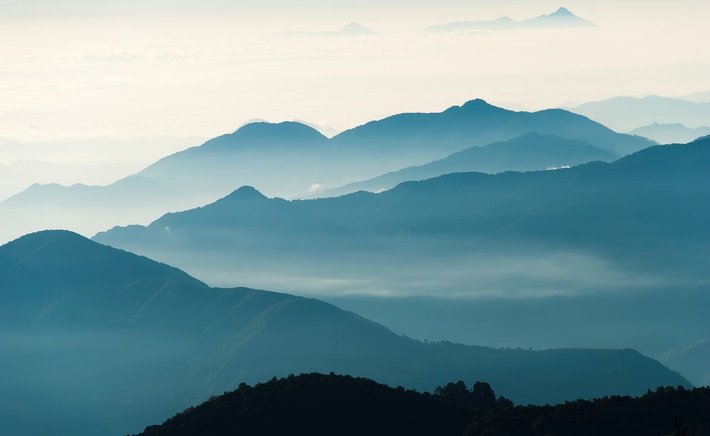
Most fog photography happens at sunrise. The logic is simple: the air cools overnight, moisture condenses, and dawn reveals a valley full of mist. But fog is not exclusively a morning phenomenon. Under the right conditions, it can form in the evening, and when it does, the results are often more dramatic than anything sunrise can offer.
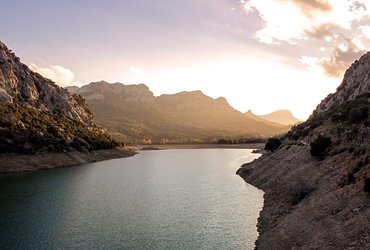
The setup is specific but not rare. You need a valley floor that is cooling quickly, moist air near the ground, and relatively calm winds. This happens most often in autumn, when the ground is still warm from the day but the air above it is chilling fast. As the sun drops, the valley floor radiates heat upward, and the air just above the ground reaches its dew point. Fog begins to form in low patches, usually along creeks and in the lowest parts of the valley.
How Evening Fog Changes the Light
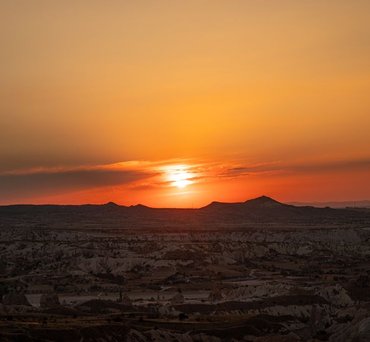
What makes evening fog different from morning fog is the light source. In the morning, fog is lit by a rising sun that is often hidden behind hills. In the evening, fog is lit by a setting sun that is still visible, at least for a while. The result is fog that glows from within. The low-angle light catches the moisture droplets and turns the whole valley into a soft, luminous bowl.
I have watched fog form in a valley meadow and move slowly up the slope like a tide. It does not rush. It creeps. And as it moves, it changes the way everything looks. Trees become silhouettes. Fence posts disappear. The far end of the valley vanishes entirely. The landscape simplifies itself into layers of light and mist, and the photograph almost takes itself.
Finding and Anticipating Evening Fog
If you want to chase this phenomenon, start by identifying valleys with water at the bottom. Creeks, ponds, and even wet meadows are fog factories. Then watch the weather. A clear evening after a warm, humid day is your best bet. You do not need a forecast that mentions fog. You just need the right combination of moisture, cooling, and calm.
The other thing you need is patience, because evening fog does not always cooperate. Some nights it forms and vanishes in ten minutes. Other nights it never appears at all. But when it works, it transforms a familiar valley into something unrecognizable. I have stood in fog so thick that I could not see the ridge I had been photographing moments before, and I have never once regretted staying to watch it roll in.

Author

22 feb,2025
This incident opened my eyes to the value of Insurance in general, so I decided to examine my personal and business insurance.

Comment (3)
The payments are made directly from one person to another without passing through a central bank or clearing house.
22 feb,2025
ReplyFog in the Valley: The Evening Weather Most Photographers Miss
23 feb,2025
ReplyThe Golden Hour Gospel: Why Valleys Glow Differently at Sunset
23 feb,2025
Reply