October 4, 2026 Post by : Editorial Photography Tips
Camera Settings for Valley Sunsets: A Practical Evening Field Guide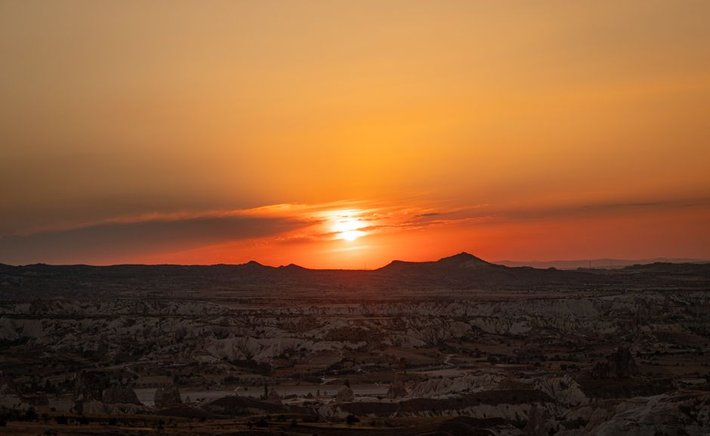
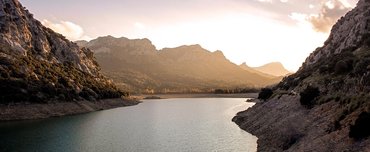
There's a moment, usually about twenty minutes before the sun actually dips below the rim, when a valley stops being a landscape and becomes a lantern. The light doesn't fall on the valley so much as pour into it, spilling down the slopes like something deliberate. If you've only ever watched sunsets from a ridge or a beach, you've been missing the way valleys handle light — and once you see it, it's hard to go back.
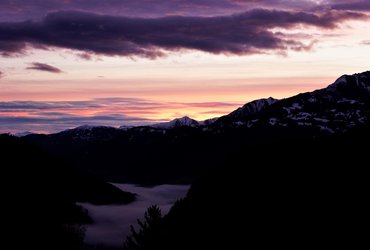
The reason is simple physics wrapped in something that feels almost emotional. Valley walls block the low-angle sun from reaching the floor until late, then release it all at once. Shadows climb the opposite slope in slow motion. The air near the ground, often cooler and slightly hazy, scatters the warm tones and stretches them out. What you get is a sunset that lasts longer, glows softer, and shifts through colors that feel hand-mixed rather than broadcast.
Reading the Light Before It Arrives
Good valley sunset photography starts long before the sun gets low. Spend the afternoon noticing which slope faces west, where the river or road catches a reflection, and how the haze sits in the trees. Those details decide your composition. A valley that looks flat and green at noon can turn into a layered painting at dusk, with each ridge slightly paler than the one in front of it — natural depth that no filter can fake.
Arrive early. Not because you'll miss the light, but because you need time to walk the ground, find your foreground, and let your eyes adjust. The best valley shots usually have something anchoring the bottom of the frame: a fence line, a bend in a creek, a single tree. The sky does the drama; the ground does the storytelling.
Patience Is the Real Technique
Most people pack up right after the sun disappears. That's the mistake. The ten to twenty minutes after sunset — what photographers call the blue hour's opening act — is when valleys show their quietest colors. The warm gold drains out, and a soft violet-blue settles into the low ground like water finding its level. If you wait, you'll often get the shot you actually came for.
So the next clear evening, skip the overlook. Drive down into the valley instead. Park somewhere unremarkable. Watch the walls change color one by one, and let the light do what it does best when it has somewhere to gather. You'll understand why people who photograph valleys rarely bother with anything else.
Author
22 feb,2025
This incident opened my eyes to the value of Insurance in general, so I decided to examine my personal and business insurance.
Comment (3)
The payments are made directly from one person to another without passing through a central bank or clearing house.
22 feb,2025
ReplyThe Quiet Afterglow: What Valleys Teach Us About Letting Go of the Day
23 feb,2025
ReplyCamera Settings for Valley Sunsets: A Practical Evening Field Guide
23 feb,2025
Reply