September 16, 2026 Post by : Editorial Photography Field Notes
Fog in the Valley: The Evening Weather Most Photographers Miss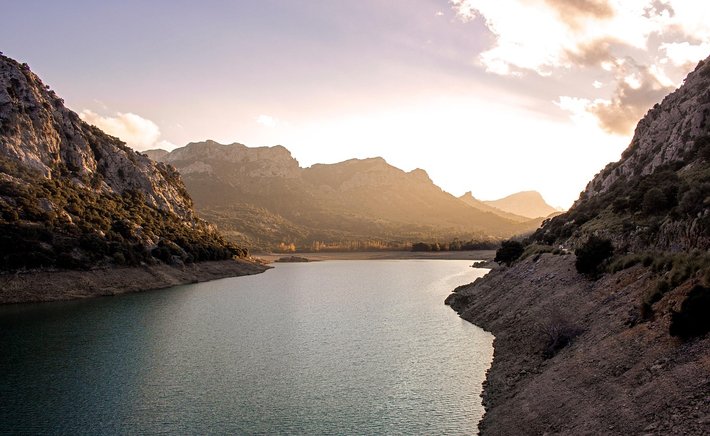
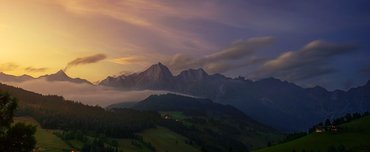
Valleys are shaped by water, and so is the light that falls into them. A creek running along the bottom of a valley does not just add a nice foreground element — it changes the entire way the evening light behaves. Water bounces light upward, softens shadows, and adds a second layer of color that dry ground simply cannot produce. Once you start noticing this, you stop looking at valleys as static backdrops and start seeing them as active light systems.
The most obvious example is a still pond or a slow bend in a river. At sunset, the water becomes a mirror that doubles the sky. But the effect is not just visual duplication. The reflected light also lifts the shadows on nearby banks, creating a glow that feels almost artificial. I have stood beside small valley ponds where the surrounding grass looked lit from below, and the only light source was the sky bouncing off the water's surface.
Damp Ground and the Soft Light Effect
You do not need a lake to see this principle at work. Even a damp pasture or a freshly irrigated field will catch evening light differently than dry ground. Moisture in the soil and low vegetation acts like a weak reflector, bouncing a small amount of warm light back into the scene. The result is a softer, more even illumination that can make a valley feel gentler than it actually is.
I have photographed the same valley in July and in October, and the difference is striking. In late summer, when the ground is dry and the creek is low, the shadows are harsh and the colors are dusty. After a few days of rain, the same valley looks like it has been varnished. The light sits on the surface of things instead of being swallowed by them.
Finding the Water Lines in Your Valley
The practical takeaway is simple: before you choose a spot for an evening shoot, trace the water. Where does the creek run? Where does the valley hold moisture? Even a dry ditch that only flows after storms can indicate a low line where fog will gather and light will pool. These are the places where the valley's evening personality shows itself most clearly.
I keep a mental map of every creek, pond, and seasonal seep in the valleys I visit regularly. It is not a technical exercise. It is more like learning the habits of a friend. The water tells you where the light will go, and the light tells you where to stand. After a while, you stop thinking about it and just know.
Author

22 feb,2025
This incident opened my eyes to the value of Insurance in general, so I decided to examine my personal and business insurance.
Comment (3)
The payments are made directly from one person to another without passing through a central bank or clearing house.
22 feb,2025
ReplyFive Valley Sunset Spots Worth the Drive (And What Makes Each One Different)
23 feb,2025
ReplyThe Quiet Afterglow: What Valleys Teach Us About Letting Go of the Day
23 feb,2025
Reply